
Citronella: Origins, Uses, Benefits & Why It’s a Staple in Natural Aromatherapy
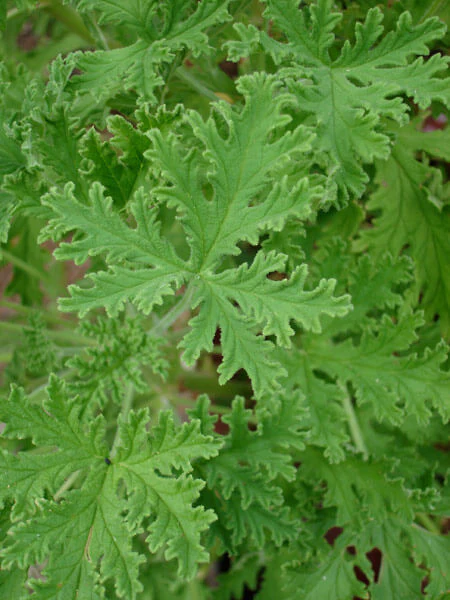
Citronella is one of the most recognizable natural aromas in the world. Fresh, lemony, slightly grassy, and clean—its scent immediately signals clarity and freshness. While many people associate citronella with outdoor use, its role in aromatherapy, home fragrance, and everyday wellness runs much deeper.
This blog explores citronella in detail: where it comes from, how citronella essential oil is produced, how it’s commonly used today, and why it continues to be trusted across cultures and generations.
What Is Citronella?
Citronella comes from aromatic grasses belonging to the Cymbopogon family, primarily Cymbopogon nardus and Cymbopogon winterianus. These tall, perennial grasses grow best in tropical and subtropical regions, including India, Sri Lanka, Indonesia, and parts of Southeast Asia.
The plant has long, narrow green leaves and releases a sharp citrus-like aroma when crushed. This natural fragrance is what makes citronella especially valuable in essential oil production.
Origins and Traditional Use
Citronella has been used for centuries in traditional practices across Asia. Historically, the grass was grown near homes and settlements because of its strong scent and refreshing character. In rural communities, citronella was valued for keeping living spaces feeling clean and pleasant.
In regions like North East India, citronella cultivation is closely tied to local agriculture. Farmers harvest the grass multiple times a year, making it a renewable and sustainable crop when managed responsibly.
How Citronella Essential Oil Is Made
Citronella essential oil is extracted through steam distillation of the grass leaves.
The process includes:
-
Freshly harvested citronella leaves placed in a distillation chamber
-
Steam passing through the plant material to release aromatic compounds
-
Condensation of vapor into liquid
-
Natural separation of essential oil from water
The resulting oil is pale yellow to light brown, with a strong, fresh, citrus-grass aroma. High-quality citronella oil is clear, well-balanced, and free from synthetic additives.
Aroma Profile: What Does Citronella Smell Like?
Citronella essential oil has a bright, sharp, and refreshing scent. It is often described as:
-
Lemon-like and crisp
-
Clean and grassy
-
Fresh without being sweet
Compared to lemongrass, citronella feels slightly drier and more herbal. This makes it especially popular for people who prefer clean, outdoor-inspired fragrances.
Common Uses of Citronella Essential Oil
1. Aromatherapy & Diffusion
Citronella essential oil is widely used in diffusers to freshen indoor spaces. Its scent helps create an environment that feels open, airy, and clean—making it suitable for homes, balconies, and workspaces.
2. Home Fragrance
Because of its sharp and fresh profile, citronella oil is commonly used to neutralize stale or unwanted odors. It’s a popular choice for kitchens, living areas, and shared spaces.
3. Outdoor and Everyday Use
Citronella is especially known for its use in outdoor aroma applications. When diffused or used in aroma blends, it contributes to a comfortable outdoor atmosphere during evenings and gatherings.
4. Aroma Blending
Citronella blends well with essential oils like eucalyptus, lavender, peppermint, and lemon. These blends are often used to create balanced and refreshing fragrance profiles.
Why Citronella Remains Popular Today
In a world filled with synthetic fragrances, citronella stands out for its straightforward, natural character. It doesn’t try to be complex or heavy. Instead, it delivers a clean aroma that feels instantly familiar and functional.
People continue to choose citronella because:
-
It feels fresh and uncluttered
-
It suits both indoor and outdoor spaces
-
It blends easily with other oils
-
It supports a clean-smelling environment
Its versatility is the reason citronella remains relevant across generations.
Citronella in Modern Living Spaces
Citronella essential oil fits naturally into modern routines. Whether diffused in the evening, used during outdoor relaxation, or included in daily aroma rituals, it adds a sense of clarity without dominating the space.
It’s particularly well-suited for people who:
-
Prefer fresh, non-sweet scents
-
Want an aroma that feels practical and natural
-
Use diffusers regularly in shared spaces
Citronella doesn’t demand attention—it quietly improves how a space feels.
Safe and Mindful Use
Like all essential oils, citronella should be used responsibly.
-
Diffuser use: Follow recommended quantities and avoid overuse.
-
External application: Always dilute with a carrier oil and perform a patch test.
-
Storage: Keep the bottle sealed, away from sunlight and heat, to preserve aroma quality.
Mindful usage ensures a consistent and enjoyable aroma experience.
Final Thoughts
Citronella is more than a familiar scent—it’s a practical, time-tested aroma rooted in tradition and still perfectly suited for modern living. From its agricultural origins to its role in aromatherapy and home fragrance, citronella essential oil continues to earn its place through simplicity and effectiveness.
For those who value clean, refreshing, and honest fragrances, citronella remains a dependable choice—one that quietly enhances spaces without ever feeling excessive.