
Lemongrass: Benefits, Uses, Origins & Why It’s Loved in Aromatherapy
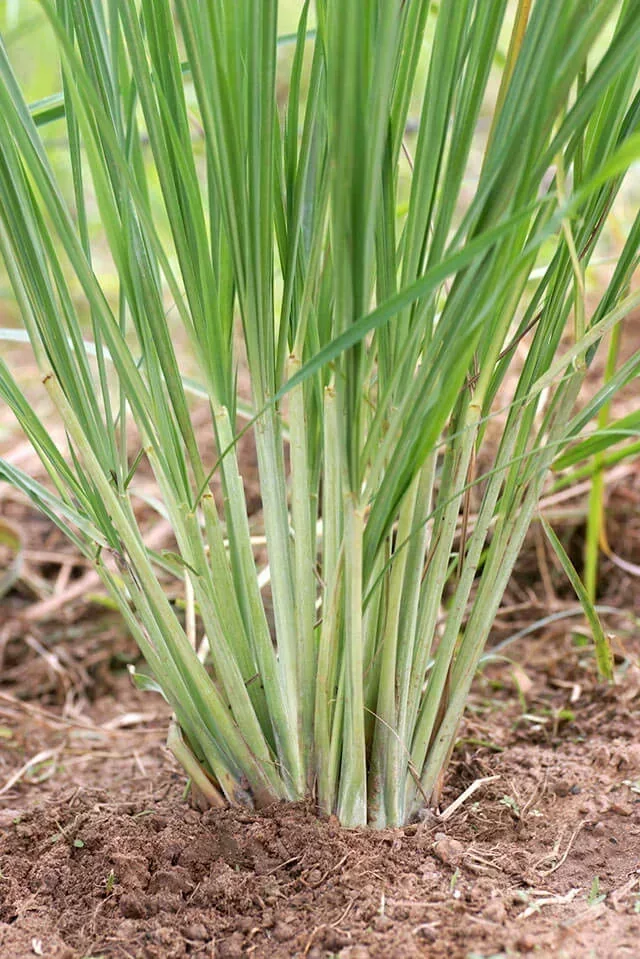
Lemongrass is one of those rare plants that feels instantly familiar the moment you encounter it. Its sharp, citrusy aroma is clean, energizing, and grounding at the same time. Used for centuries across Asia, lemongrass has steadily become a global favorite—especially in aromatherapy, wellness routines, and natural home fragrance.
This blog explores lemongrass in depth: where it comes from, why it’s valued, how lemongrass essential oil is made, and how people commonly use it today.
What Is Lemongrass?
Lemongrass is a tall, perennial grass belonging to the Cymbopogon family. It thrives in warm, tropical climates and is widely grown across India, Sri Lanka, Thailand, and parts of Southeast Asia. The plant is known for its long, blade-like green leaves and its unmistakable lemony scent—fresh, sharp, and slightly herbal.
Traditionally, lemongrass has been used in cooking, herbal preparations, and home practices. Over time, its aromatic qualities made it especially popular in essential oil extraction.
Origins and Cultural Significance
In many Asian cultures, lemongrass has long been associated with cleanliness and freshness. It was commonly grown near homes, used in kitchens, and valued for its strong aroma that helped keep living spaces feeling fresh.
In North East India and other parts of the subcontinent, lemongrass cultivation is closely connected to the land. Farmers harvest the leaves multiple times a year, making it a sustainable crop when grown responsibly. This deep connection to nature is one reason lemongrass remains a trusted ingredient in natural wellness traditions.
How Lemongrass Essential Oil Is Made
Lemongrass essential oil is typically extracted through steam distillation of the plant’s leaves. During this process:
-
Fresh or partially dried lemongrass leaves are placed in a distillation chamber.
-
Steam passes through the leaves, releasing aromatic compounds.
-
The vapor cools and condenses into liquid.
-
The essential oil separates naturally from the water.
The result is a pale yellow oil with a crisp, citrus-forward aroma. High-quality lemongrass essential oil is clear, potent, and free from synthetic additives.
Aroma Profile: What Does Lemongrass Smell Like?
Lemongrass essential oil has a bright, citrusy, and clean scent, often described as:
-
Fresh and uplifting
-
Lightly sweet with herbal undertones
-
Sharp but not harsh
Unlike heavier fragrances, lemongrass feels airy and energizing. It’s especially popular among people who prefer scents that feel clean rather than floral or overly sweet.
Common Uses of Lemongrass Essential Oil
1. Aromatherapy & Diffusion
Lemongrass essential oil is widely used in diffusers to refresh indoor spaces. Its scent helps create an environment that feels clean, open, and energized—making it suitable for homes, workspaces, and studios.
2. Home Fragrance
Many people use lemongrass oil to neutralize unwanted odors. A few drops in a diffuser or aroma lamp can help maintain a pleasant atmosphere without overpowering the room.
3. Daily Wellness Rituals
When diluted with a carrier oil, lemongrass essential oil is often included in personal care routines such as massage oils or relaxation rituals. Its aroma pairs well with evening wind-down routines or focused daytime activities.
4. Blending with Other Oils
Lemongrass blends well with oils like lavender, eucalyptus, tea tree, and citrus oils. These combinations are commonly used to create balanced, refreshing aroma profiles.
Why Lemongrass Is So Popular in Modern Living
Modern lifestyles often involve closed spaces, long working hours, and digital fatigue. Lemongrass stands out because it offers something simple yet effective: a scent that feels clean, natural, and energizing.
People gravitate toward lemongrass essential oil because:
-
It doesn’t feel heavy or overwhelming
-
It suits both day and evening use
-
It works well in shared spaces
-
It feels universally appealing
For these reasons, lemongrass has become a staple in aroma collections worldwide.
How to Use Lemongrass Essential Oil Safely
Lemongrass essential oil is highly concentrated and should always be used mindfully.
-
Diffuser use: Follow your diffuser’s guidelines and avoid overuse.
-
External use: Always dilute with a carrier oil and perform a patch test.
-
Storage: Keep the bottle tightly closed, away from sunlight and heat.
Responsible use ensures you enjoy the aroma while maintaining safety and balance.
Lemongrass in Everyday Spaces
Whether it’s a living room, bedroom, workspace, or yoga corner, lemongrass essential oil fits effortlessly into daily environments. It doesn’t demand attention—it simply improves the way a space feels.
That quiet effectiveness is what makes lemongrass timeless. It’s not a trend-driven scent. It’s a practical, dependable aroma that continues to earn its place in modern homes.
Final Thoughts
Lemongrass is more than just a plant or a fragrance. It represents clarity, freshness, and a return to simple, natural experiences. From its roots in traditional practices to its role in modern aromatherapy, lemongrass essential oil remains valued for one key reason—it works without trying too hard.
For anyone looking to elevate their space naturally, lemongrass essential oil offers a clean, honest aroma that feels as relevant today as it did generations ago.